
 By David JArcher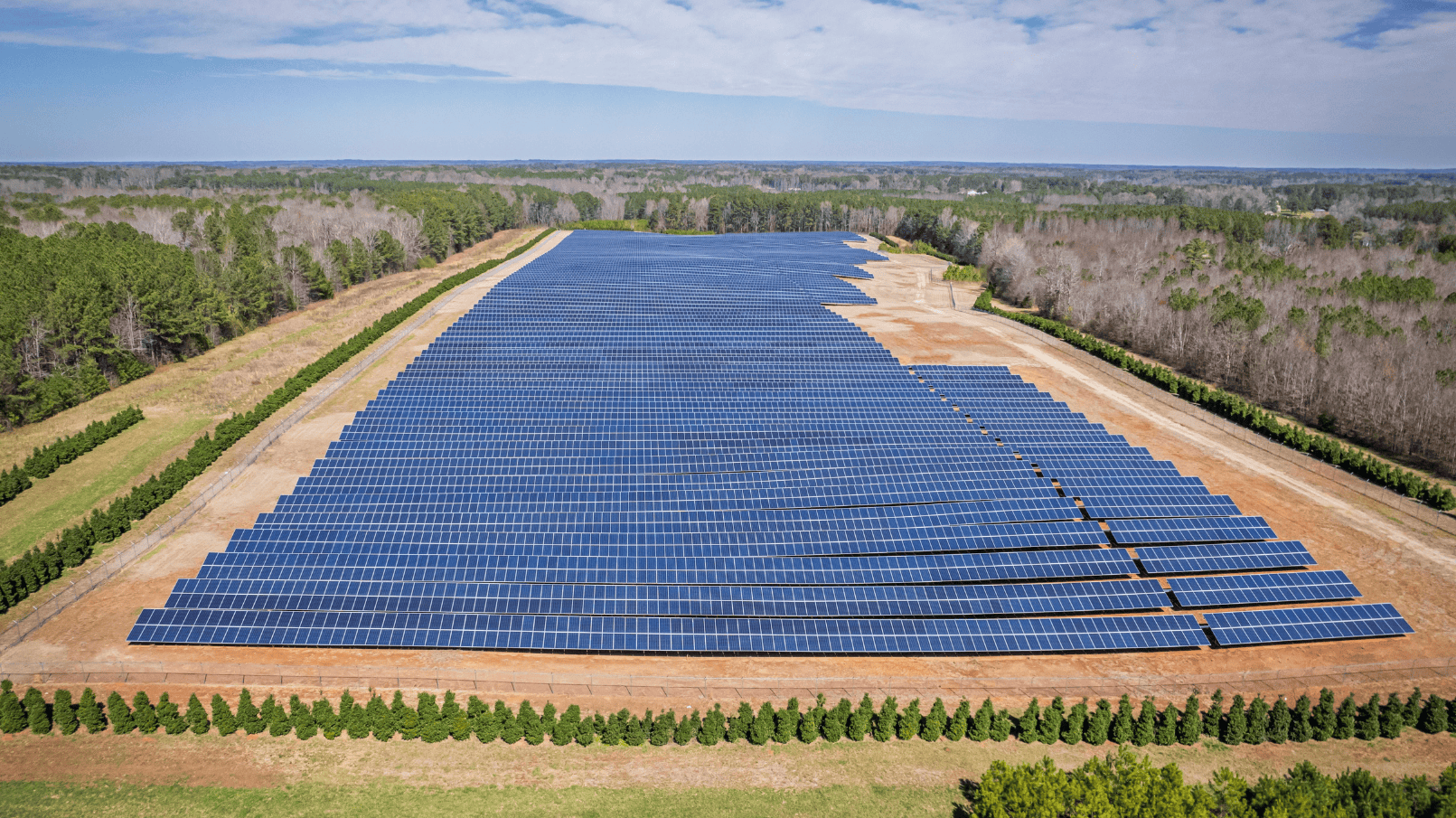
As the demand for renewable energy continues to rise, leasing land for solar projects has emerged as a viable opportunity for landowners and investors alike. This burgeoning industry not only provides a sustainable source of power but also offers financial benefits to those who choose to participate. By converting unused or underutilized land into solar farms, landowners can generate a steady stream of income while contributing to the fight against climate change.
Navigating the complexities of land leasing for solar energy requires an understanding of various factors, including zoning regulations, environmental considerations, and the specific needs of solar developers. This article aims to provide an overview of the leasing process, highlighting the potential advantages and challenges for landowners while offering insights into how to successfully engage with solar companies. Whether you’re a farmer with excess land or a property owner looking for alternative income sources, this guide will help you explore the potential of solar leasing as a profitable and sustainable investment.
Understanding the Leasing Process
The leasing process for solar energy projects begins with evaluating the suitability of the land for solar development, including its location, size, and topography. Landowners need to engage with solar developers who can provide detailed assessments and site evaluations. It is crucial to understand the terms of the lease agreement, including duration, compensation, and obligations for both parties. Having a clear contract can help prevent disputes and ensure that landowners receive fair compensation for the use of their land. For more information on leasing your land for solar farms, you can visit https://kevinfrancisdesign.com/blogs/design-ideas/learn-about-leasing-your-land-for-a-solar-farm?srsltid=AfmBOopuTWYwyOUCHN497r90Pp9vRunR5IpQXTfSDOfuUXNPmitnr_4Q to gain a deeper understanding of the process.
Benefits and Challenges of Solar Leasing
Leasing land for solar projects presents an array of benefits, including a consistent revenue stream and the promotion of sustainable energy practices. Landowners can capitalize on otherwise dormant land by turning it into a productive resource while simultaneously supporting the transition to renewable energy. However, challenges may arise, such as navigating local zoning laws, environmental assessments, and potential community opposition. It is vital for landowners to conduct thorough research and consider consulting with legal professionals to ensure their interests are protected throughout the leasing process. Understanding both the benefits and challenges can help landowners make informed decisions that align with their goals.
Ultimately, leasing land for solar development represents a unique intersection of environmentaL stewardship and economic opportunity. By embracing solar leasing, landowners can unlock new revenue streams while playing a crucial role in the renewable energy landscape. As the world shifts towards sustainable power sources, landowners have an unprecedented chance to contribute to greener initiatives and mitigate climate impacts. The successful integration of solar farms not only enhances the viability of currently underutilized land but also fosters community engagement and awareness around energy issues. By weighing the benefits against potential challenges and working with reputable solar developers, landowners can make informed decisions that support both their financial interests and the broader goal of sustainable energy transition for future generations.