
 By David JArcher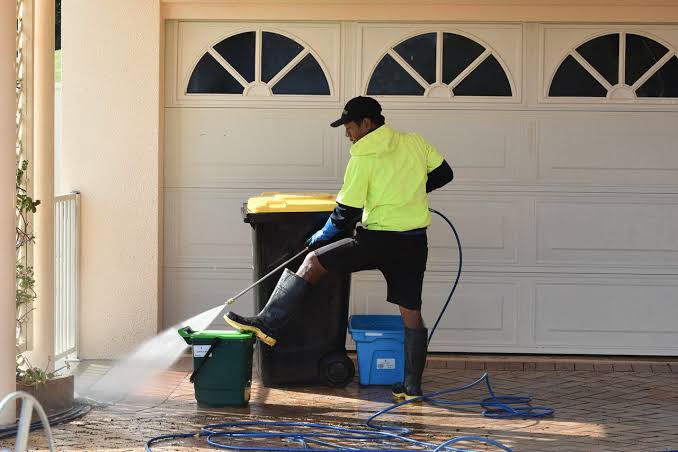
Pressure washing has become an increasingly popular method for maintaining the cleanliness and appearance of both residential and commercial properties. This powerful cleaning technique utilizes high-pressure water jets to effectively remove dirt, grime, mold, and other stubborn stains from various surfaces, including driveways, decks, siding, and sidewalks. As homeowners and business owners alike embrace the benefits of pressure washing, understanding its techniques and applications can contribute significantly to enhancing property value and curb appeal.
In this article, we will delve into the fundamentals of pressure washing, exploring the different equipment used, the best practices for achieving optimal results, and the potential hazards if not executed properly. Whether you’re considering a DIY approach or hiring a professional service, knowing how to leverage this effective cleaning method can help you preserve the integrity of your property while saving time and effort in the long run.
Equipment and Techniques
A thorough understanding of pressure washing equipment and techniques is essential for achieving optimal results. Different types of pressure washers, including electric and gas-powered models, offer varying levels of power, suitable for diverse cleaning tasks. In addition to the machine itself, various nozzles play a crucial role in directing the water flow. For lighter tasks, a 25-degree nozzle is often ideal, while a 0-degree nozzle can be employed for tougher jobs. When selecting a method for your pressure washing needs, consider factors like surface type and the level of grime, as these will influence the pressure setting and cleaning solution you may need. Those looking for professional assistance can explore pressure washing Dublin for reliable options.
Best Practices and Safety Tips
Implementing best practices is vital for ensuring effective and safe pressure washing. Before starting, it is advisable to conduct a thorough assessment of the area to identify any delicate surfaces that require lower pressure settings. Additionally, wearing protective gear, such as goggles and gloves, can shield you from flying debris and chemical exposure. Always maintain a safe distance from surfaces to prevent damage and mind the direction of the water spray to avoid injury or accidents. Properly maintaining your equipment, including routine checks and cleanings, can extend its lifespan and enhance performance, ensuring that your pressure washing tasks are not only effective but also safe.
In conclusion, pressure washing stands out as an invaluable tool for property maintenance, offering a quick and efficient way to revitalize surfaces and enhance overall aesthetic appeal. By understanding the specific equipment, techniques, and safety measures involved, individuals can effectively harness the power of this cleaning method, whether tackling projects on their own or hiring a professional service. The investment in pressure washing can yield significant returns, not just in property value but also in creating a healthier environment free from harmful mold and allergens. As you embark on your pressure washing journey, remember that thorough preparation and adherence to best practices are key to achieving the sparkling results you desire while safeguarding both your property and your well-being.