
 By David JArcher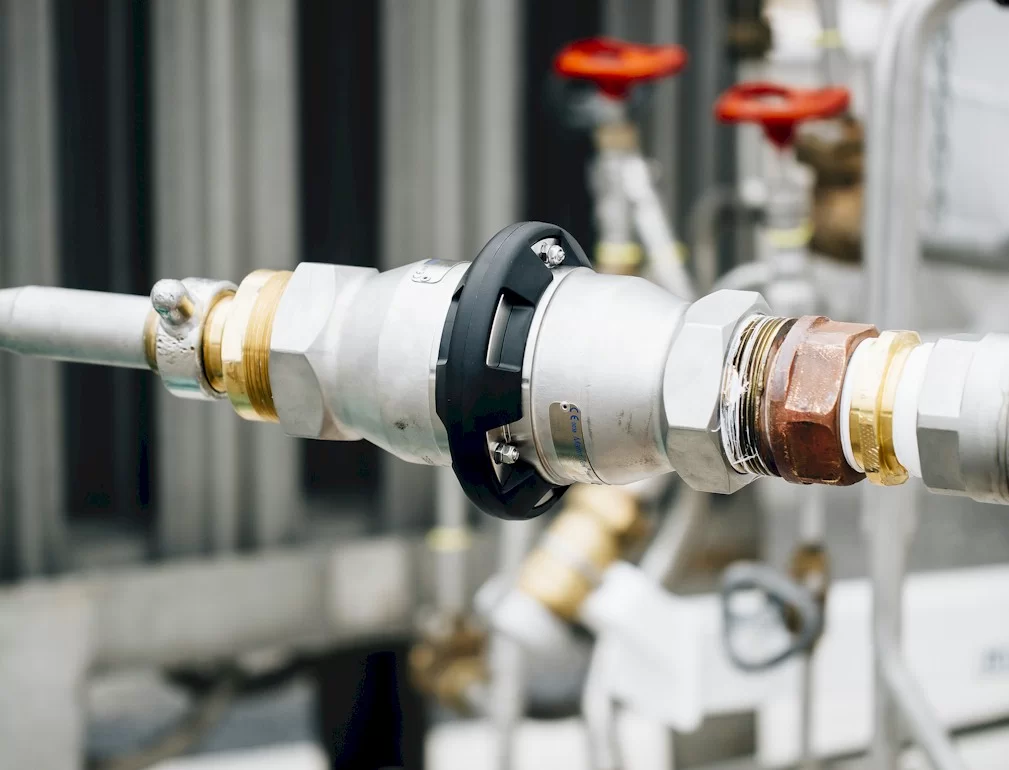
Breakaway couplings are innovative safety devices designed to prevent spills and accidents in various industries, particularly in the transportation and storage of hazardous fluids. These couplings automatically disconnect when excessive force is applied, minimizing the risk of leaks and environmental damage. By providing a reliable solution for disconnecting under pressure, breakaway couplings enhance operational safety and contribute to regulatory compliance. Their application spans across multiple sectors, including oil and gas, chemical processing, and even agricultural systems, showcasing their versatility and importance in today’s operational frameworks.
As industries continue to prioritize safety and environmental responsibility, understanding the mechanics and benefits of breakaway couplings becomes essential for professionals involved in fluid handling and transportation. This article delves into the various types of breakaway couplings, their design principles, and the critical role they play in safeguarding both personnel and the environment. By exploring their functionality and effectiveness, we aim to equip readers with the knowledge necessary to implement these couplings effectively in their operations, ultimately fostering a culture of safety and sustainability.
Types of Breakaway Couplings
Breakaway couplings come in various designs, each tailored to specific applications and fluid types. The most common types include basic breakaway couplings, ball valve couplings, and spring-loaded couplings. Basic breakaway couplings provide a simple disconnect mechanism that activates when a predetermined force threshold is exceeded, ensuring an immediate cut-off of fluid flow. On the other hand, ball valve couplings integrate a ball valve that automatically closes upon disconnection, offering an additional layer of security. For more dynamic applications, spring-loaded couplings utilize tension springs to facilitate rapid disconnection while minimizing damage to associated hardware. These diverse designs allow industries to choose the most suitable coupling for their unique needs, greatly enhancing safety protocols in hazardous fluid environments.
Benefits of Implementing Breakaway Couplings
The advantages of implementing breakaway couplings within fluid handling systems are substantial. By significantly reducing the risk of spills and leaks, organizations not only protect their assets but also adhere to environmental regulations, thereby avoiding costly penalties. Furthermore, using devices such as marine breakaway couplings in marine applications exemplifies their importance in safeguarding aquatic environments by preventing hazardous material discharge during docking or mooring operations. Ultimately, these couplings not only enhance the safety of personnel working with hazardous materials but also foster a strong culture of environmental responsibility, aligning with industry standards and public expectations.
In conclusion, breakaway couplings are a vital component in the landscape of industrial safety, providing an effective means of preventing fluid spills and environmental contamination. Their diverse designs cater to a range of applications, ensuring that industries can select the appropriate solution for their specific requirements. The implementation of these couplings not only safeguards personnel and protects assets but also plays a crucial role in maintaining compliance with regulatory standards and fostering environmental stewardship. As industries evolve and face increasing pressures to operate safely and responsibly, the adoption of breakaway couplings will remain an essential strategy to mitigate risks in fluid handling and transportation, ultimately contributing to a safer and more sustainable future.